
Pain & Biomechanics
Specialist Support for Lower Limb Pain & Function
Whether you’re struggling with heel pain, aching arches, or knee or hip discomfort, biomechanical foot issues may be to blame. At Hanford Chiropodists, we identify and treat the root causes of musculoskeletal pain linked to your feet and lower limbs. We provide expert assessments and ongoing support to help you walk, move, and live with greater ease.
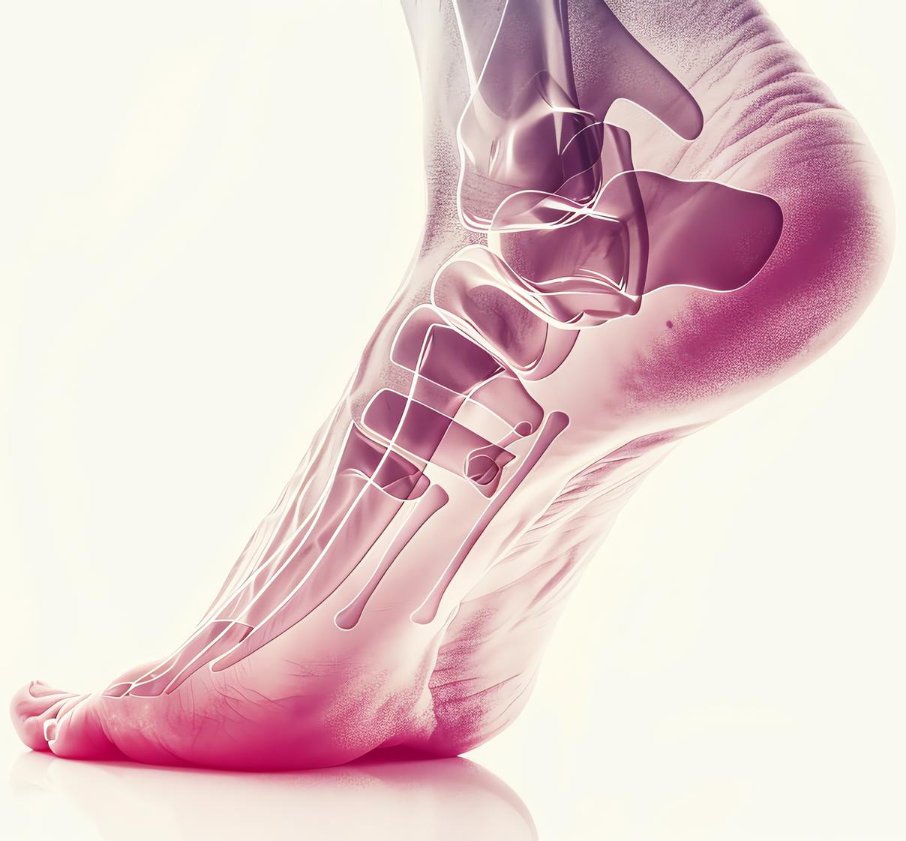
What We Do at Your Appointment
We tailor each appointment to assess your gait, posture and foot mechanics — and provide the right support or treatment for your needs.

Gait Analysis
Posture & alignment check
ORTHOTIC ASSESSMENT

Joint & muscle function testing
Personalised treatment plan
Suggest Exercises & footwear advice
Why Biomechanics Matter
When the way you walk or stand is even slightly off balance, it can cause a ripple effect of pain — from your toes all the way to your back.
Understanding your foot mechanics is the first step toward relieving ongoing pain and preventing injury.
Our expert assessments help you move more freely, with less discomfort and greater long-term resilience.
Who Is This Service For?
Anyone who experiences:
It’s especially helpful for:
Not sure if it’s right for you? Get in touch — we’ll be happy to advise.
Could Your Pain Be Caused by the Way You Move?
Many types of foot, leg, or lower back pain can be linked to the way your body moves. That’s where a Musculoskeletal (MSK) Assessment can help.
We’ll assess your posture, gait, joint movement, and muscle function to identify underlying issues that may be causing discomfort, pain or imbalance — even those you might not have noticed. Conditions like plantar fasciitis, Achilles tendonitis, and flat feet often stem from biomechanical problems.
This type of assessment can be especially helpful if you’ve had:
- Ongoing pain when walking or standing
- Sports or overuse injuries
- Issues with balance or alignment
Our goal is to help you move more comfortably and confidently, whether that means recommending stretches, orthotics, or further treatment.
No two feet are the same — and neither are our treatment plans.
How Often Should I Have Biomechanical Care?
Many people benefit from a one-off biomechanical assessment, especially if they’re experiencing new or ongoing pain.
However, if you wear orthotics or have long-term musculoskeletal issues, regular reviews (every 6–12 months) can ensure your treatment stays effective.
There’s no pressure or contracts — just expert advice tailored to you.
What to Expect at Your First Appointment
We begin by understanding your symptoms, activity levels, and general health before moving into physical assessments.
Every appointment starts with a conversation. We’ll ask about any symptoms you’re experiencing, your daily activity levels, and any concerns you have about foot or lower limb discomfort. From there, we carry out hands-on assessments to better understand your needs — always at your pace.
We’ll typically:
Frequently Asked Questions
Is a biomechanical assessment painful?
No — we use gentle, non-invasive tests and assessments. Most people find it helpful and reassuring.
Will I need orthotics?
Not always. We only recommend orthotics if they’re likely to make a meaningful difference. Many people benefit from exercises or footwear changes alone.
Can you help with sports injuries?
Yes — we regularly treat plantar fasciitis, Achilles tendon pain, shin splints and more.
Do I need to bring anything?
Wear or bring your most commonly worn footwear (e.g. work shoes, trainers). This helps us assess wear patterns and fit.
Ready to Feel More Comfortable On Your Feet?
If you’re living with ongoing pain, don’t ignore it — we’re here to help you move easier and feel better, one step at a time.